September 25th, 2026 Sahil Graphics
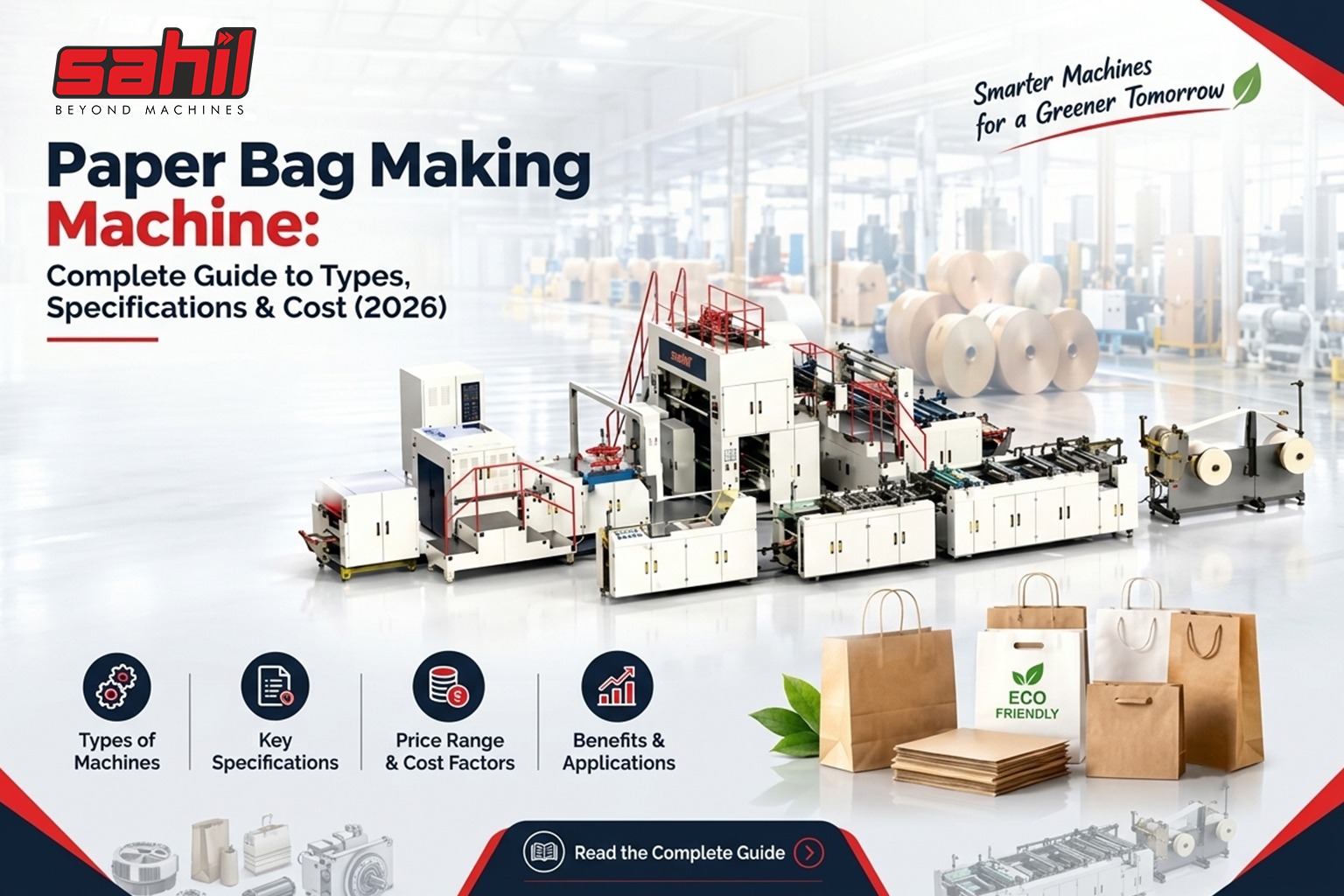
Since the plastic ban came into effect across several Indian states, demand for paper bags has grown rapidly. Grocery stores, retail chains, the food industry, and e-commerce businesses now increasingly rely on paper packaging — and this shift has driven strong demand for paper bag making machines. However, choosing the right machine isn't straightforward, since the market offers multiple machine types, sizes, and price points.
This guide is meant for anyone planning to start a paper bag manufacturing business or upgrade an existing production unit. We'll cover machine types, technical specifications, cost factors, and selection criteria — everything needed to make an informed decision.
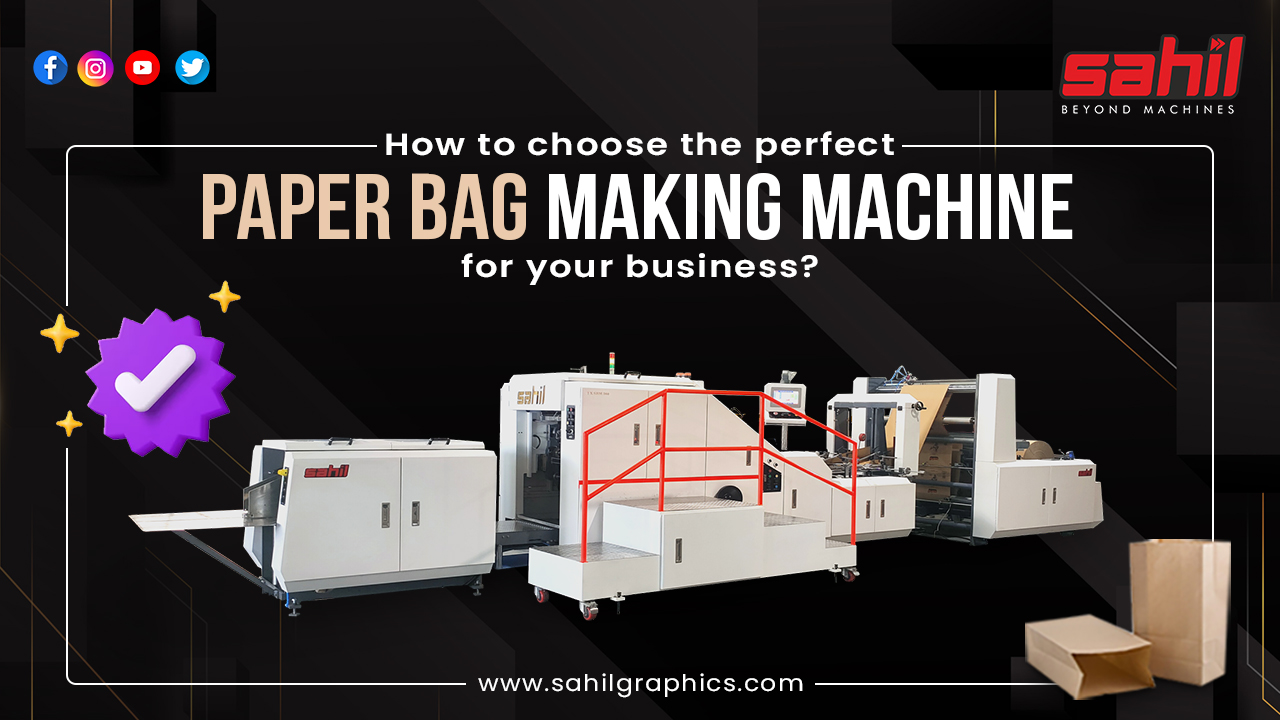
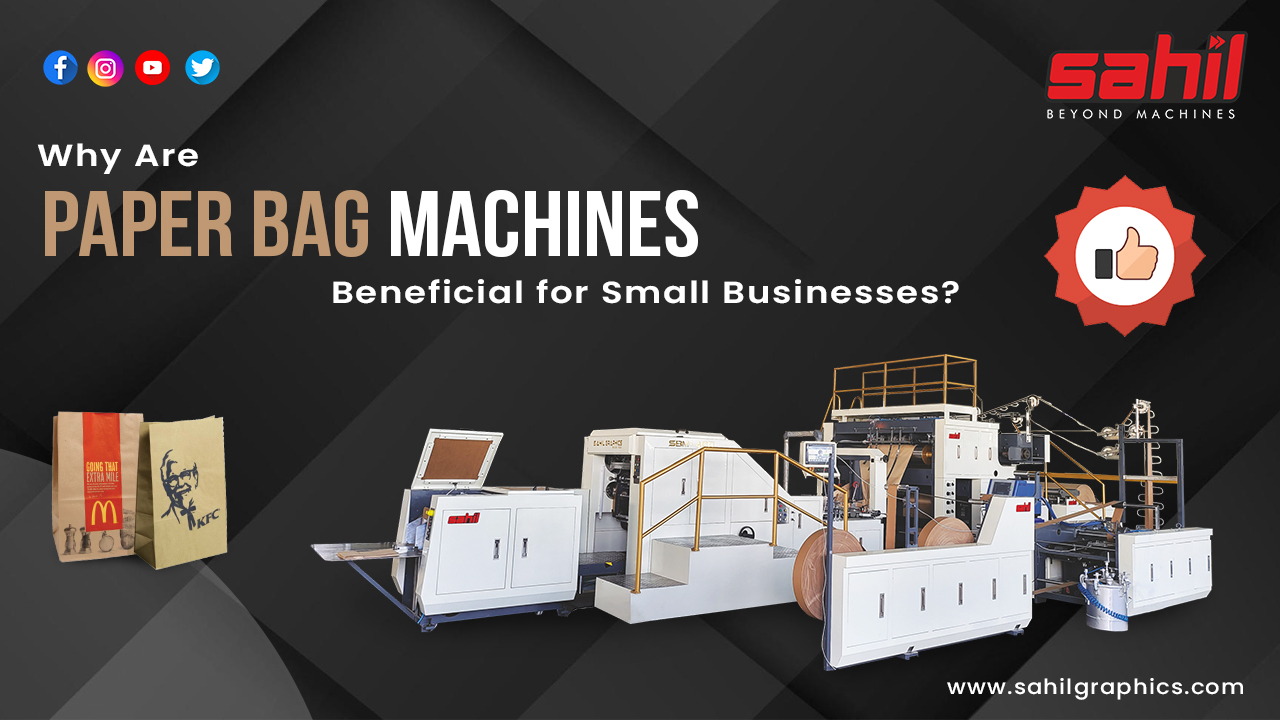
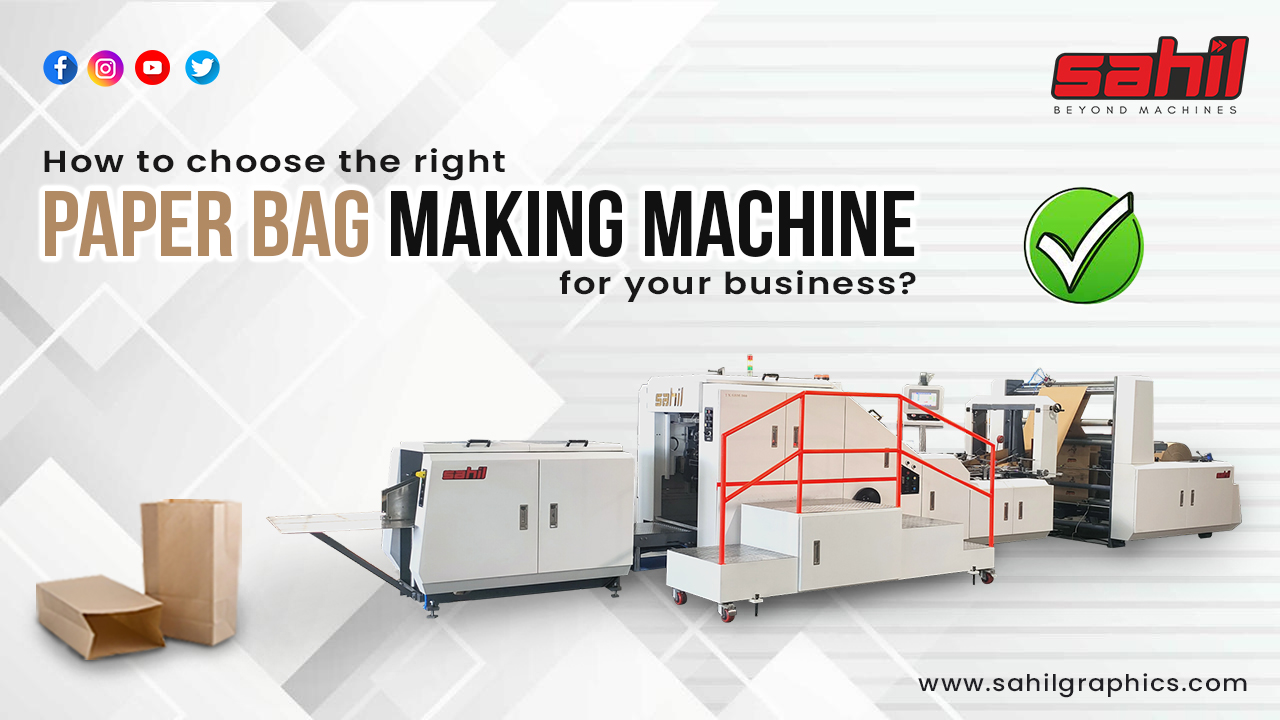
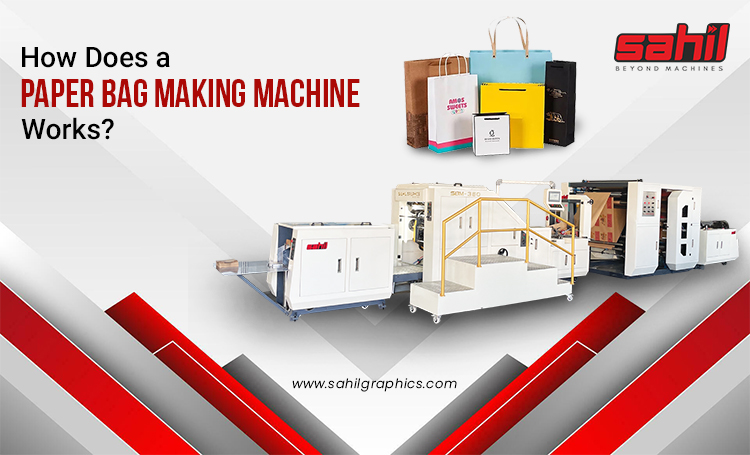
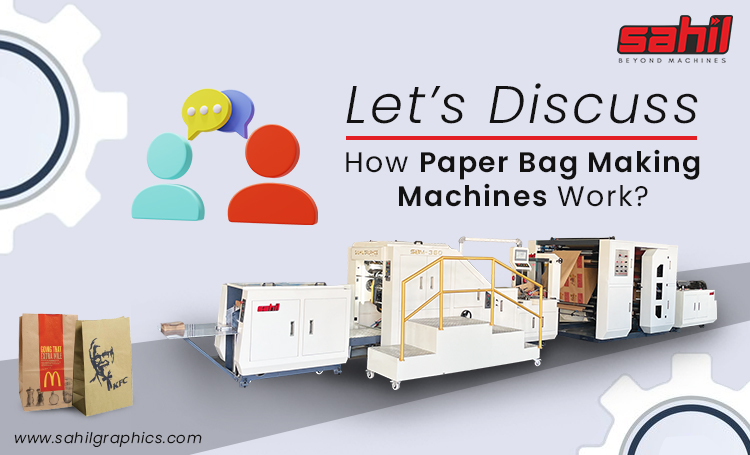
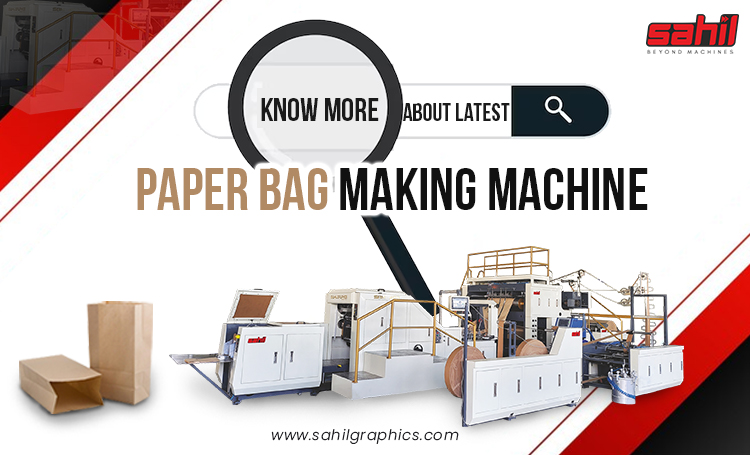
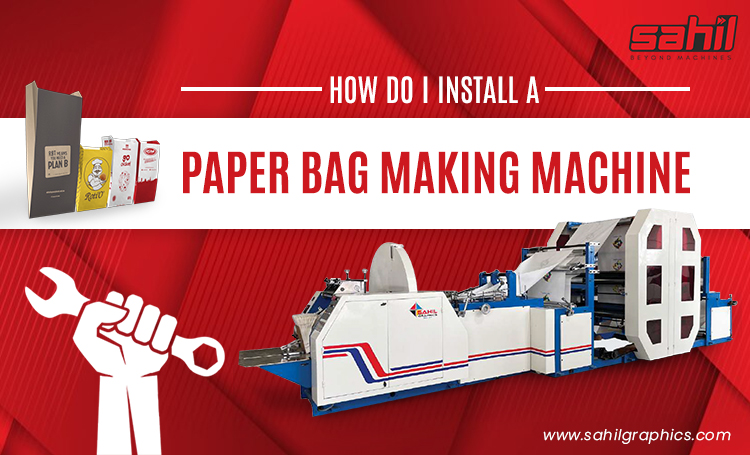
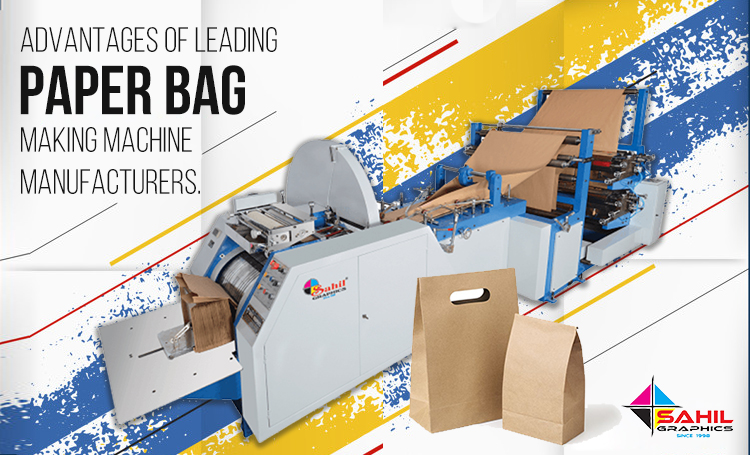
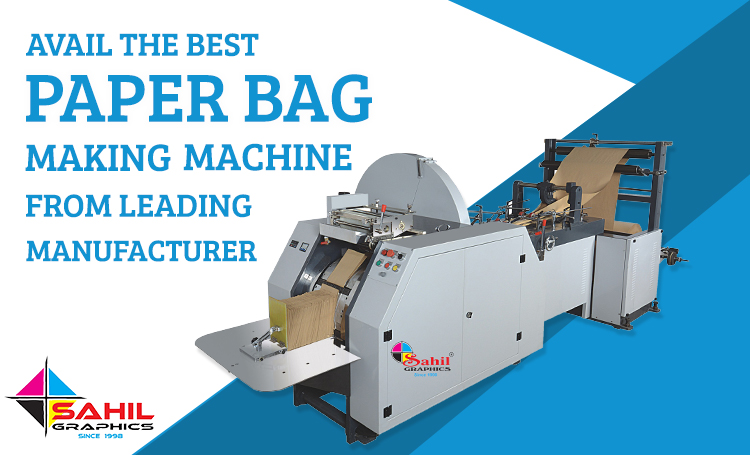
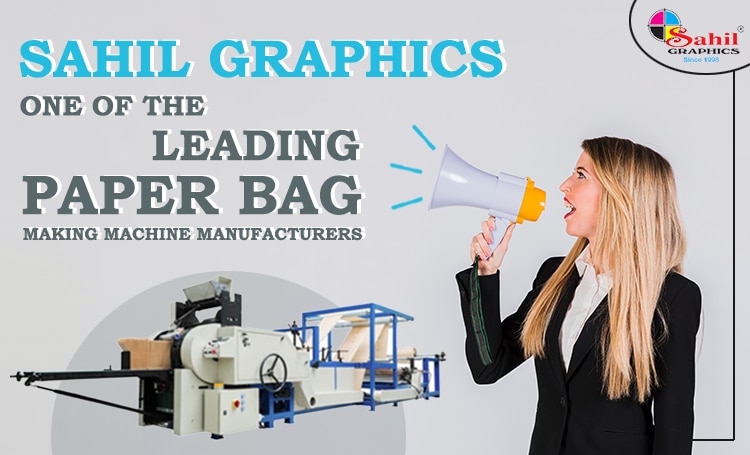
A paper bag making machine is industrial equipment that converts paper rolls or sheets into finished bags automatically — cutting, folding, gluing, and (for handle bags) handle attachment all happen within the same machine. These machines are used to produce grocery bags, shopping bags, food packaging bags, gift bags, and medicine covers.
Machines are generally fed in one of two ways:
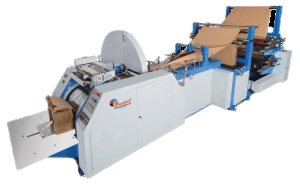
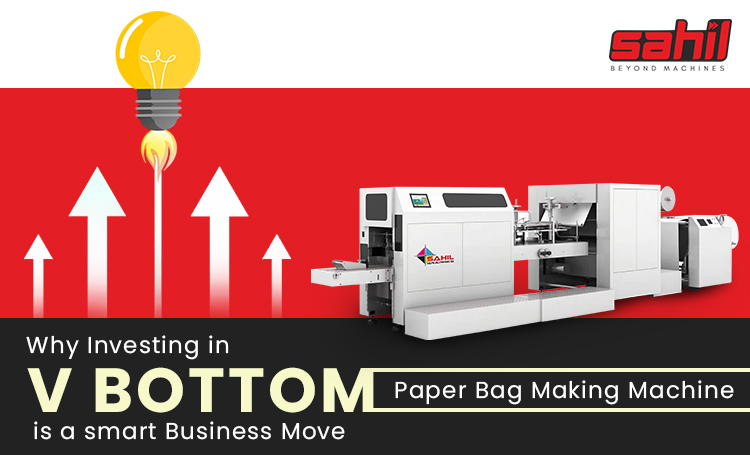
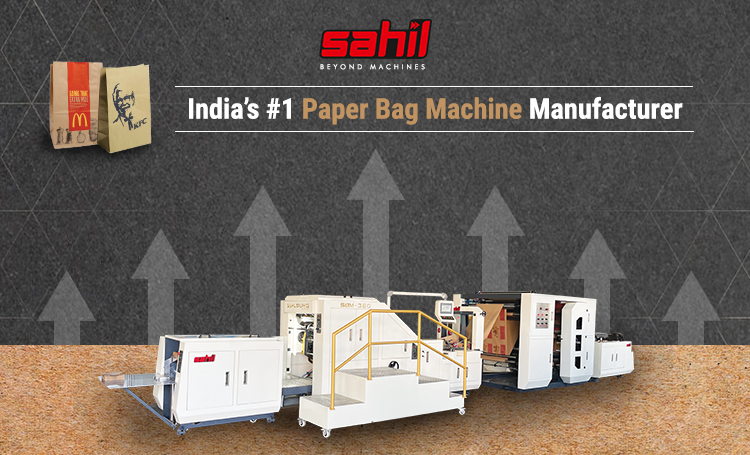
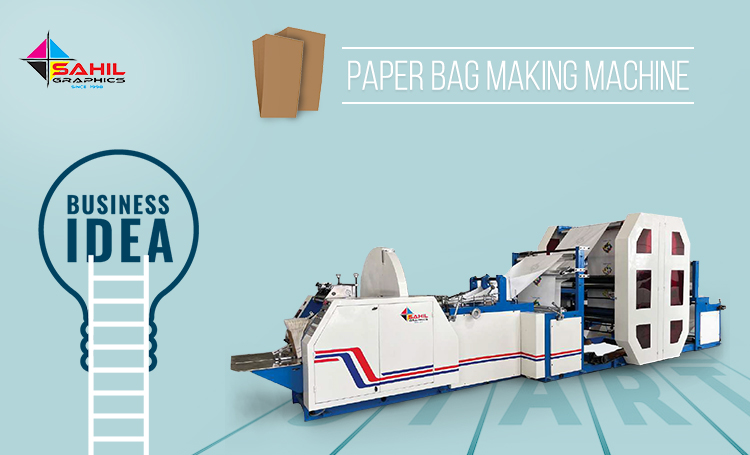
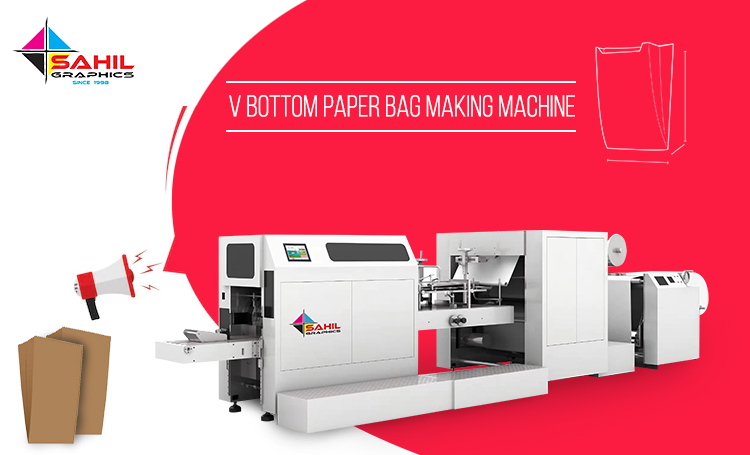
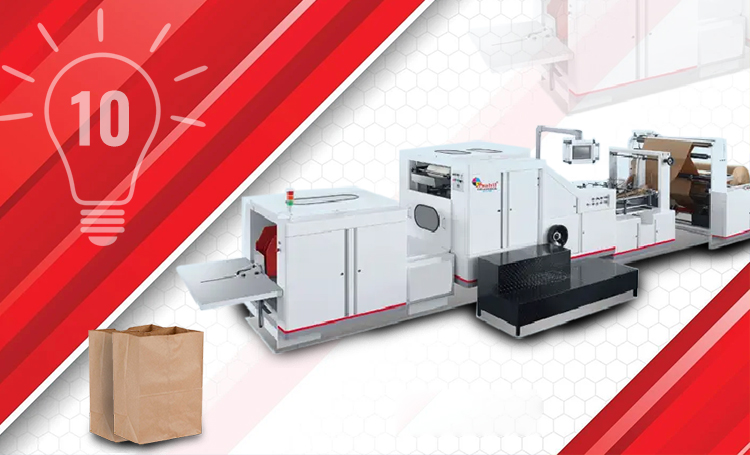
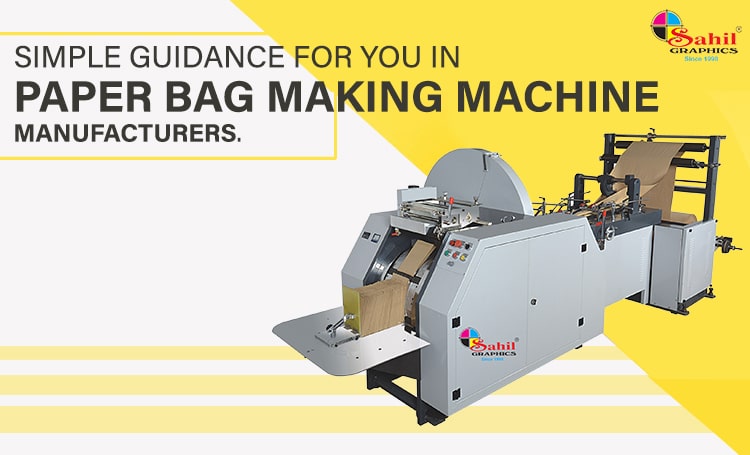
This machine produces V-shaped bottom bags — used for grocery covers, medicine bags, and SOS (Self Opening Satchel) bags. It's popular for mid-to-large scale manufacturing because it balances speed and versatility.
Typical specifications commonly seen in this category:
V-bottom machines are also available in different variants — basic, servo-controlled, and models with online printing attachments that print directly from pre-printed paper rolls.
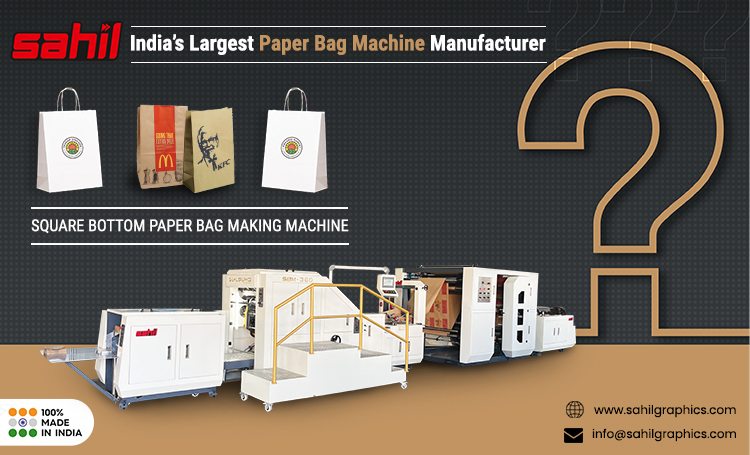
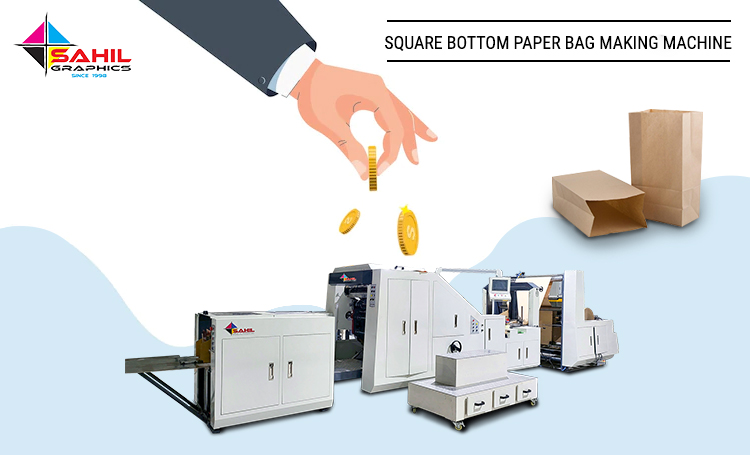
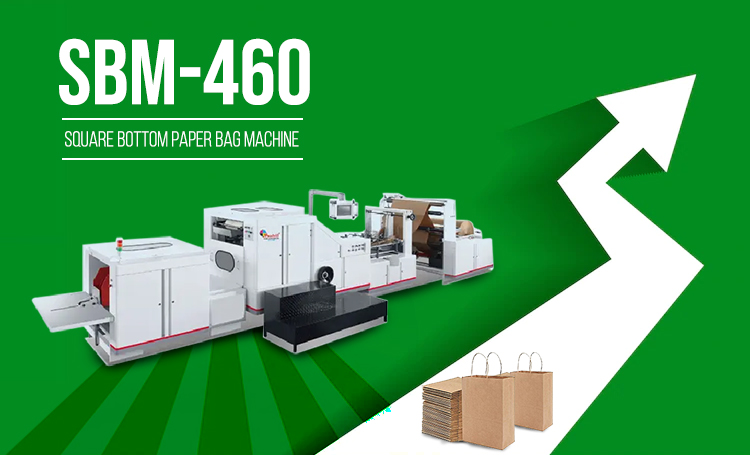
This machine produces flat-bottom bags — commonly used for retail shopping bags, food packaging, and branded carry bags. It's more complex than a V-bottom machine because side gluing, tube forming, bottom folding, and bag formation all happen in a single continuous stroke.
Typical specifications:
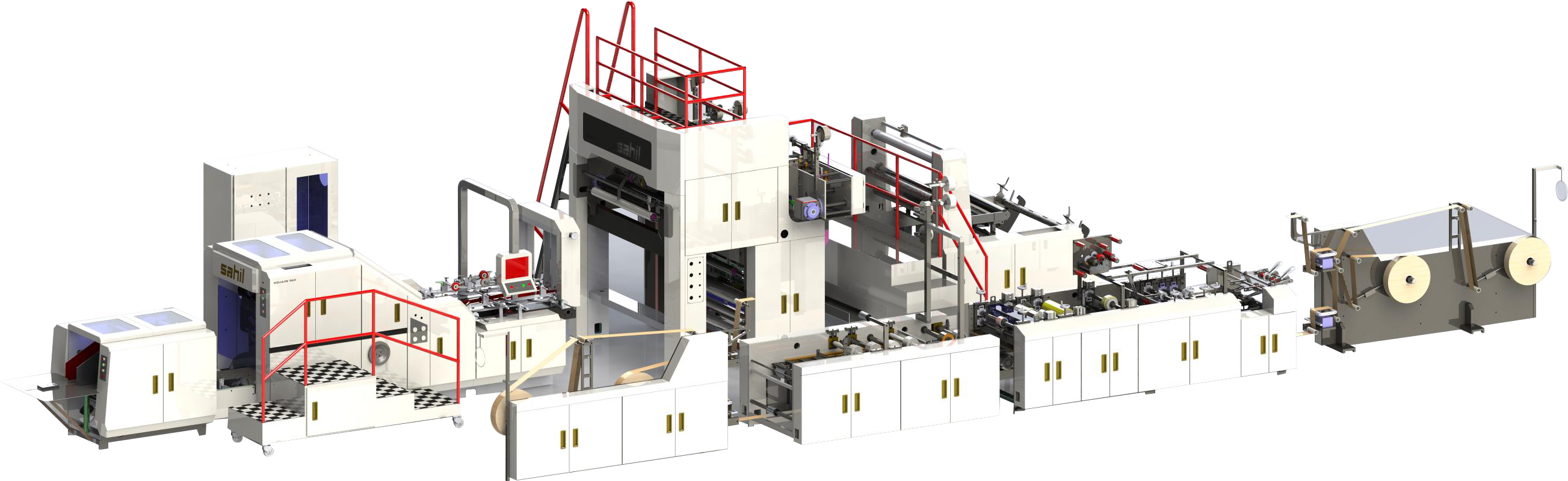
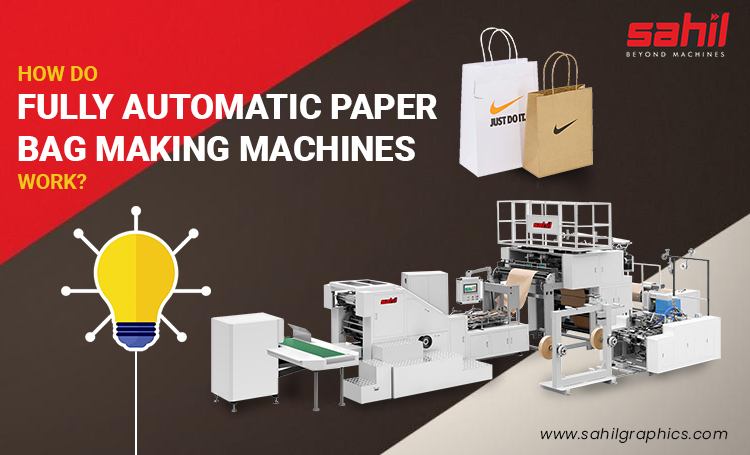
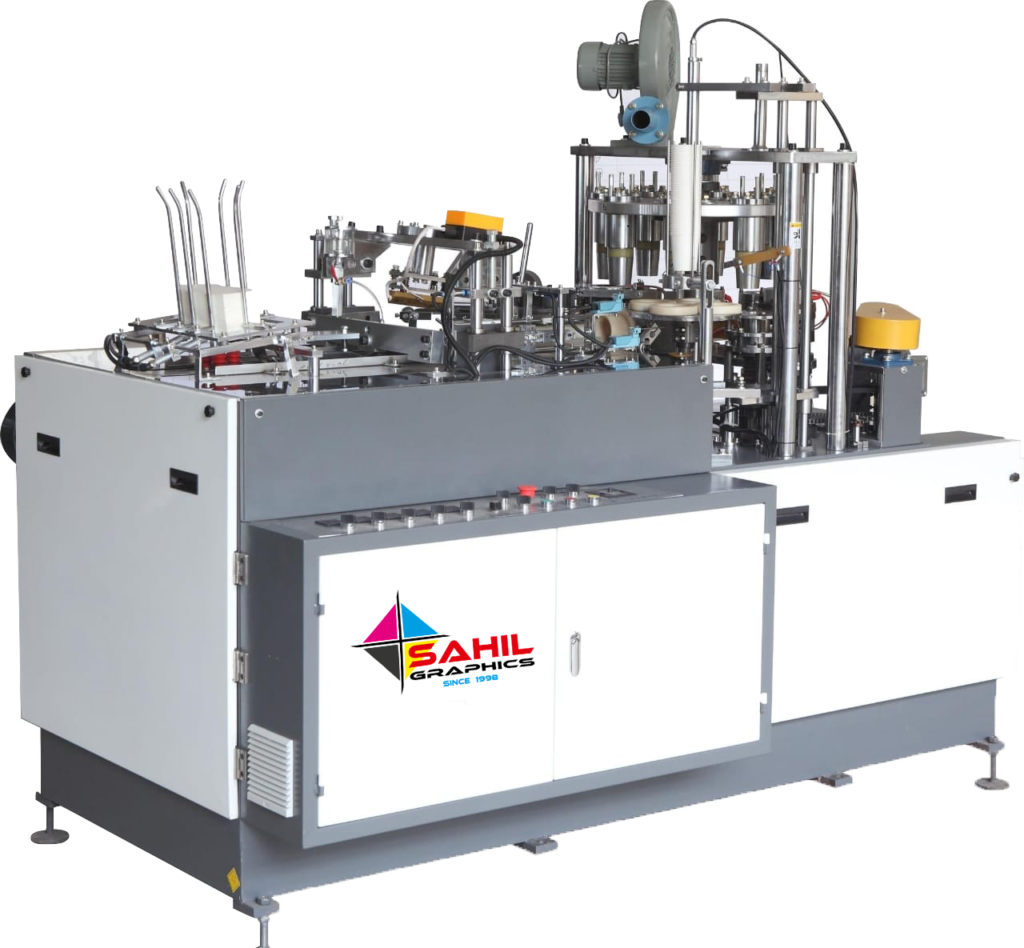
This is the premium, top-of-the-line category in square bottom bag manufacturing. It combines square bottom bag formation with inline twisted rope handle attachment — meaning tube forming, bottom folding, gluing, handle patching, and rope insertion all happen automatically in a single production line, with no manual handle-fixing step required.
Because of the added engineering — Japanese servo control systems, 8-axis motion control, automatic tension control, and dual-mould technology — this category sits at the high end of the market and is built for large-scale, export-grade production rather than small or mid-size units.
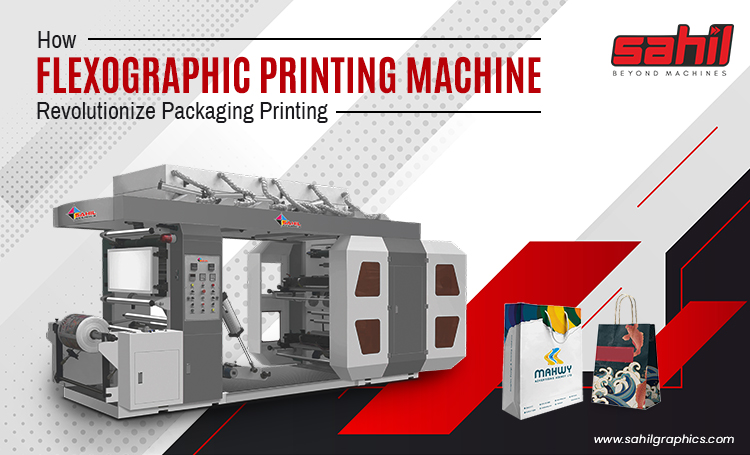
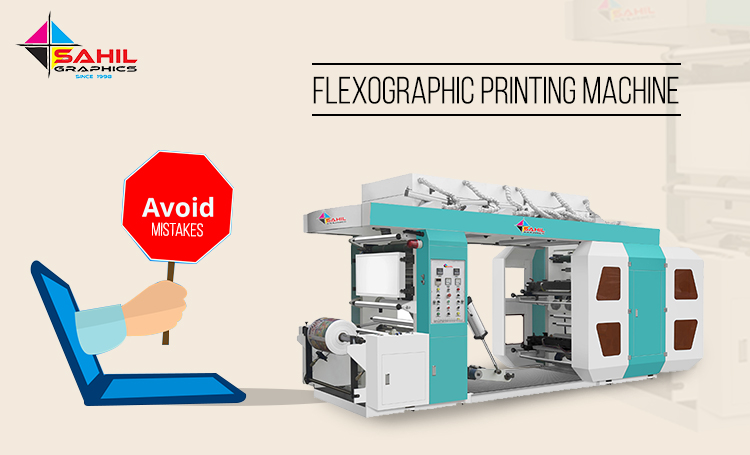
If branded bags with a logo or custom design are needed, a machine with an online printing attachment is a better fit. These typically include an automatic tension controller and color-mark tracking system to keep printing aligned and reduce material wastage. Printing speed generally ranges from 5–50 meters/minute, with 2-color or 4-color options available.
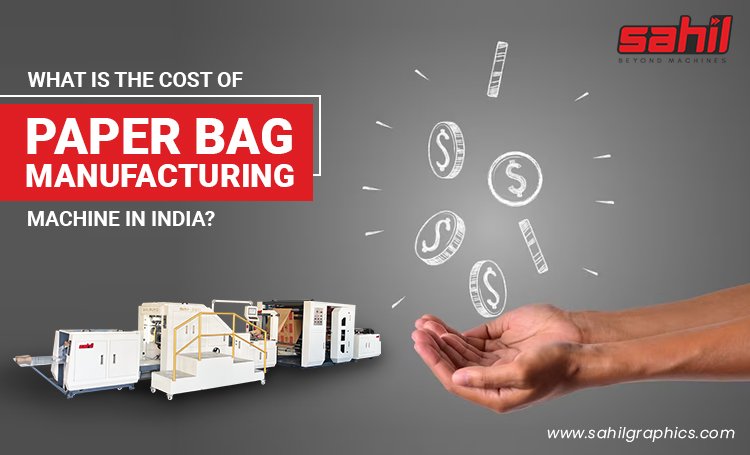
Cost varies widely depending on automation level, handle mechanism, and production capacity. Machines in this industry span a broad range — from basic manual-assist units to fully automatic, servo-driven, export-grade lines. Below is an indicative overview:
| Machine Category | Approximate Price Range (INR) |
|---|---|
| Basic / semi-automatic bag machines | Lower end of the market |
| Fully automatic V-bottom / square bottom (standard) | Mid-range |
| Fully automatic square bottom with servo control & online printing | High-range |
| Fully Automatic Twisted Rope Handle Square Bottom Paper Bag Machine | Approx. ₹2 crore |
The Fully Automatic Twisted Rope Handle Square Bottom Paper Bag Machine represents the premium end of the category — a fully integrated, high-speed, servo-controlled production line capable of handling the entire bag-and-handle process in one pass, which is reflected in its investment level compared to standard square bottom machines.
Note: Pricing depends on exact model configuration, production speed, automation features, and add-ons (printing units, servo controls, dual-mould technology). For an accurate, model-specific quote, it's best to get in touch with the manufacturer directly.
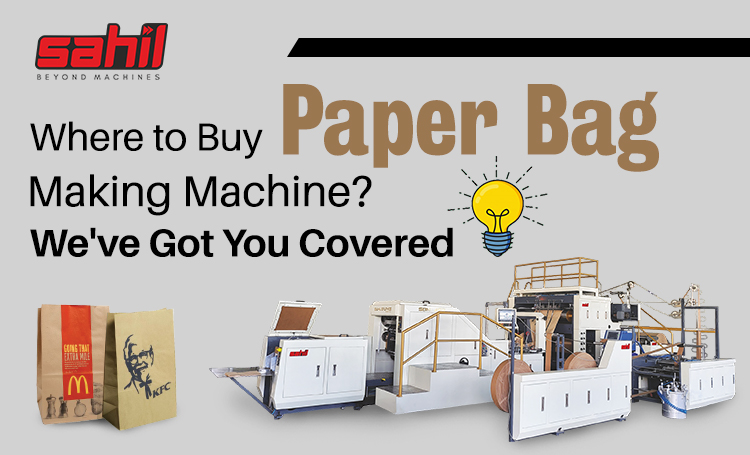
Looking for a manufacturer? Sahil Graphics is one of India's leading paper bag making machine manufacturers, offering V-bottom, square bottom, and premium fully automatic twisted rope handle machine ranges with in-house engineering and pan-India/export support. Get a quote for your production requirement →
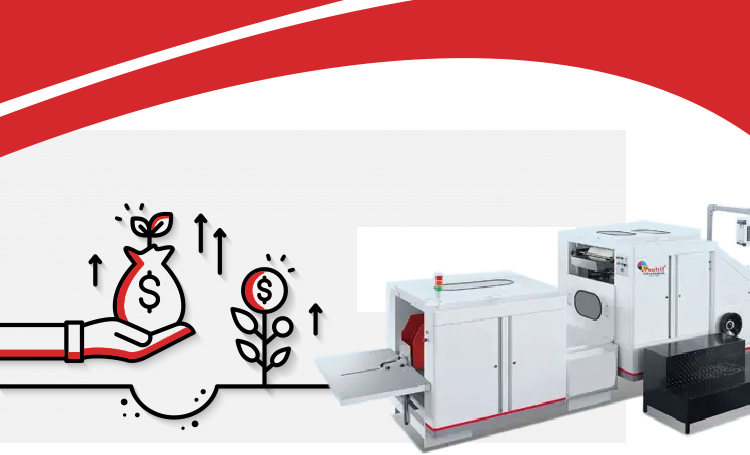
The payback period for a high-investment, fully automatic machine depends heavily on production volume and order scale. A high-speed, fully integrated line running continuously across multiple shifts achieves a much lower per-unit production cost over time, which helps offset the higher upfront investment — though actual payback also depends on raw material costs, labor, and sustained order volume.
Q1. What is the cost of a Fully Automatic Twisted Rope Handle Square Bottom Paper Bag Machine?
This premium, fully integrated machine — which combines square bottom bag formation with inline rope handle attachment — is priced at approximately ₹2 crore, reflecting its high-speed, servo-controlled, export-grade engineering.
Q2. What's the difference between a V-bottom and a square bottom machine?
A V-bottom machine produces V-shaped bags like grocery or medicine covers, while a square bottom machine produces flat-bottom shopping/retail bags. Square bottom machines are generally more complex and costlier.
Q3. What is the production speed of a fully automatic paper bag machine?
Depending on the model, speed can range from 30 to 500 bags per minute, influenced by bag size, paper GSM, and whether handles are being attached.
Q4. Can a paper bag machine also print on the bags?
Yes, machines with an online printing attachment can print directly on the paper roll in 2 or 4 colors, eliminating the need for a separate printing process.
Q5. How much power supply does a paper bag machine need?
Larger fully automatic square bottom machines typically require 380V 3-phase power in the 9–43 KW range, depending on model capacity.
Q6. What should be checked before buying a machine?
Production capacity, GSM range compatibility, floor space, power requirement, and the manufacturer's after-sales support should all be part of the buying checklist.
Choosing a paper bag making machine shouldn't be based on price alone — production requirements, bag type, and long-term operating costs matter just as much. Premium fully automatic machines, such as twisted rope handle square bottom lines, represent a significant investment but are built for high-volume, precision manufacturing. It's always advisable to compare technical specifications and get a direct quotation from the manufacturer before making a purchase decision.


Ask Our Experts